The Humble Bee: An Unexpected Hero in Human–Wildlife Conflict
Yesterday was World Bee Day — a day dedicated to one of the smallest but most important creatures on Earth.
When we think about bees, we usually think about honey, flowers, or pollination. But across Africa, bees are quietly becoming something else entirely: conservation heroes.
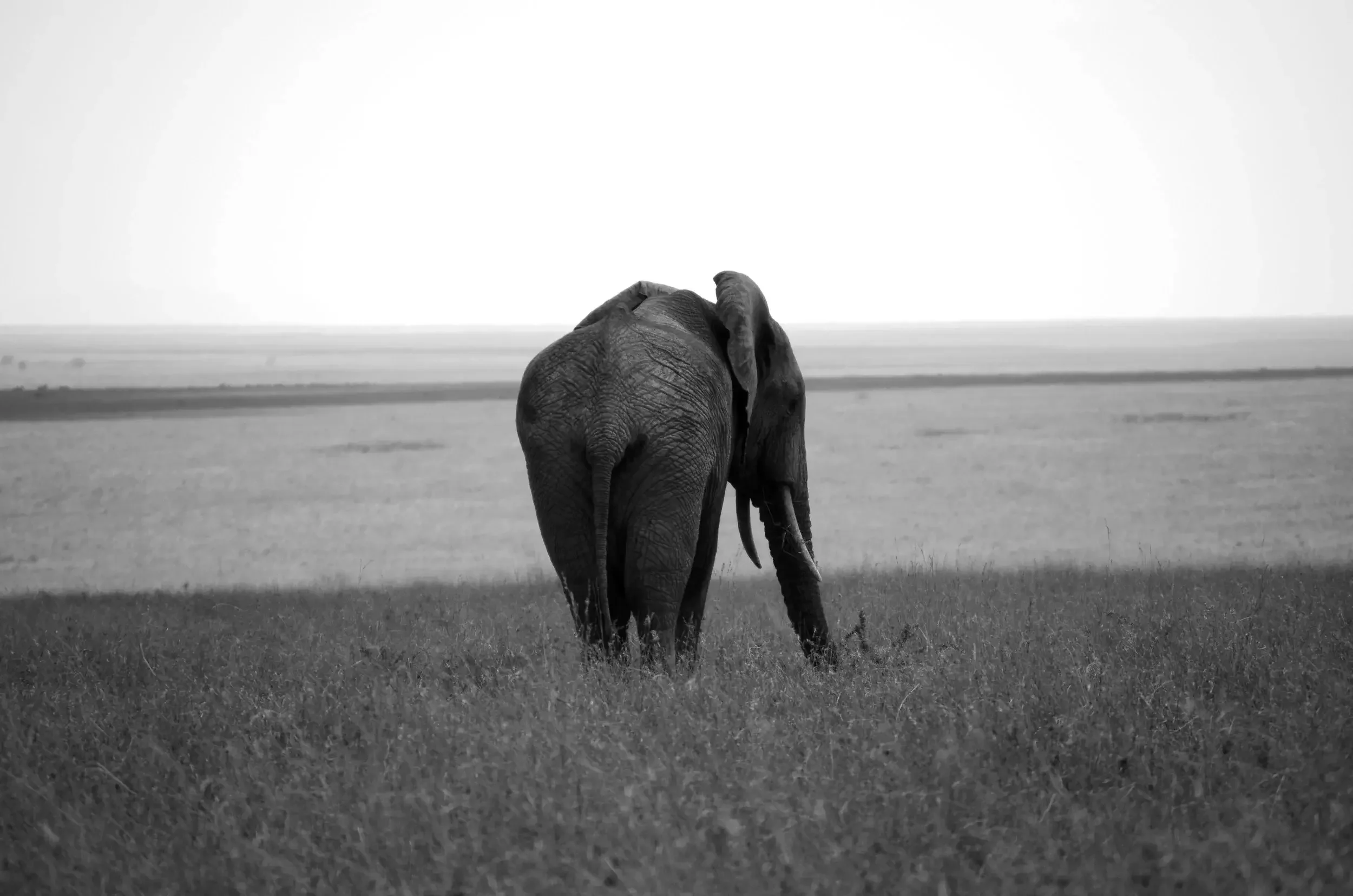
As Africa’s human population grows, space for wildlife becomes smaller and smaller. The boundary areas surrounding our national parks and wildlife corridors are becoming some of the most important — and contested — land on the continent.
These buffer zones are often home to rural communities and small-scale farmers who rely on the land to feed their families and earn a living. At the same time, these same areas are ancient movement routes for wildlife, especially elephants.
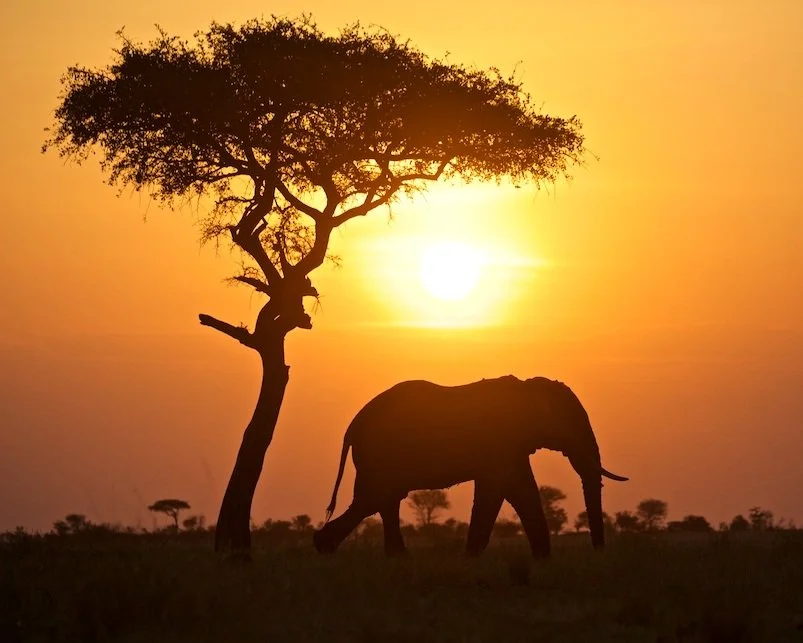
And elephants can be incredibly destructive.
A single herd can wipe out an entire season’s crops in just one afternoon. For a farming family, that can mean the loss of both food security and income overnight. Maize fields, vegetable gardens, pumpkins, watermelons — to an elephant, these are irresistible, high-energy meals.
To the farmer, they represent months of hard work.
This creates enormous tension between people and wildlife. Villagers attempt to defend their land — often risking injury or even death in the process. Elephants, in turn, are harassed, injured, or killed. Conflict escalates, and both humans and wildlife lose.
For years, one of the obvious solutions seemed to be fencing off national parks completely.
But fencing is not a long-term answer.
Wildlife - especially elephants - needs movement. They require access to seasonal feeding grounds, water sources, and migration routes. Isolated populations eventually suffer from reduced genetic diversity, overgrazing, and ecological imbalance. And elephants being elephants… fences do not always stay standing for long.
So what if the answer was not bigger fences — but smaller creatures?
Enter the humble bee.
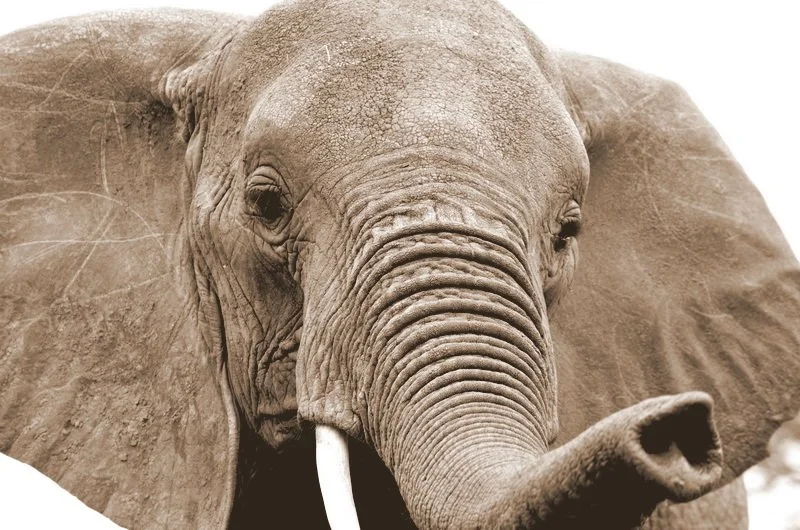
Researchers and conservationists across Africa have discovered that elephants actively avoid bees. The sound of buzzing alone can make entire herds change direction. Scientists believe this is because bee stings inside an elephant’s sensitive trunk can be extremely painful and potentially life-threatening if swelling prevents feeding or drinking.
This discovery has led to one of the most elegant conservation solutions in recent years: beehive fences.
By placing beehives at strategic points along farmland edges and wildlife corridors, communities can naturally discourage elephants from entering agricultural areas while still allowing them safe passage between protected ecosystems.
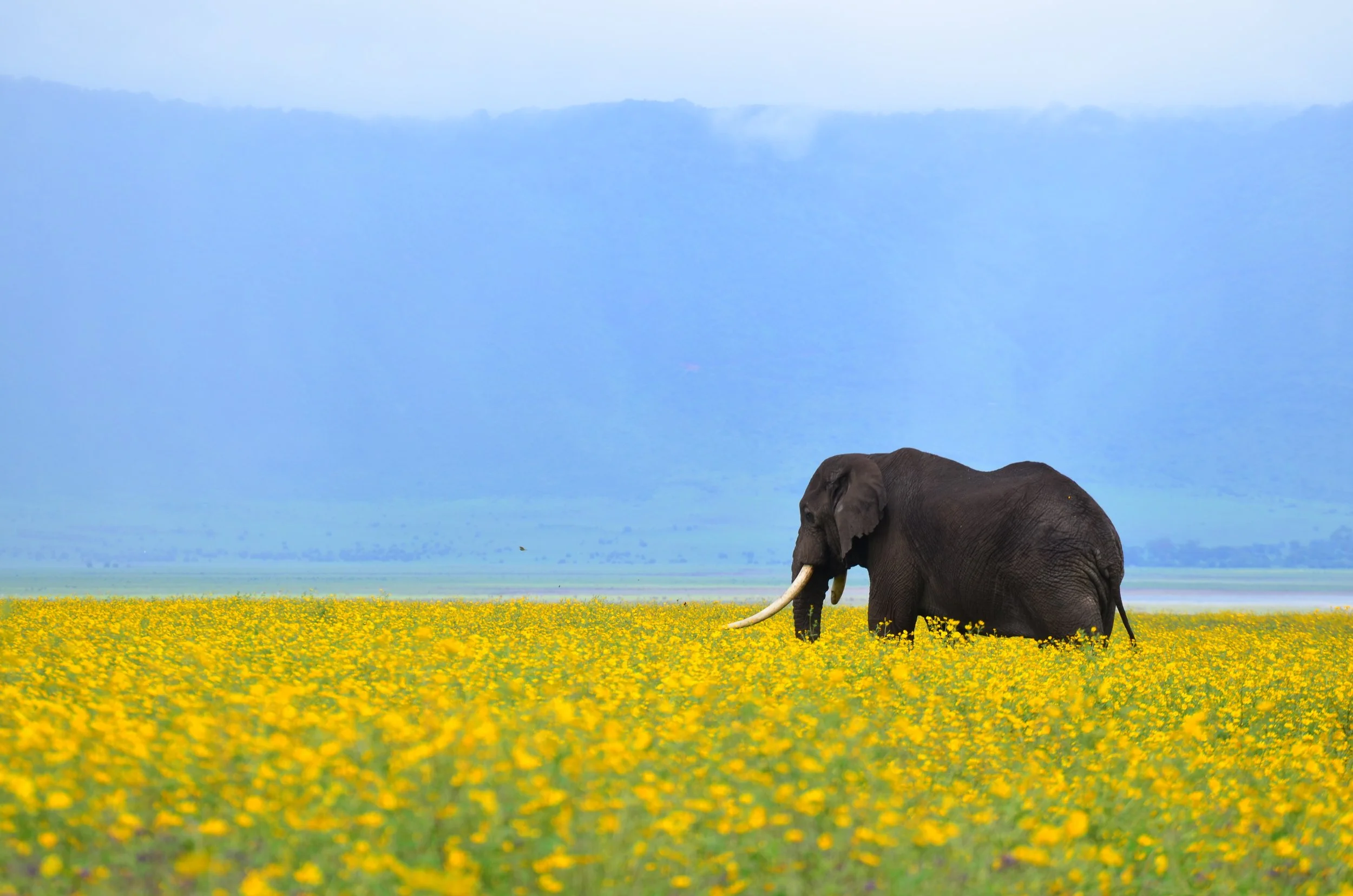
The results are remarkable.
Farmers protect their crops.
Elephants avoid dangerous human conflict.
Wildlife corridors remain open.
Communities gain additional income from honey production.
And bees themselves continue their essential role in pollination and ecosystem health.
It is a rare and beautiful conservation success story where everyone benefits.
In a world increasingly divided between people and wildlife, perhaps the solution is not always force, barriers, or separation.
Sometimes the answer is cooperation — guided by one of nature’s smallest creatures.
The bee may be tiny, but its impact on Africa’s future could be enormous.